Use case: suspended load
Suspended-load and lift-zone exposure from camera footage
Lifting operations combine moving equipment, pinch corridors, and fast-changing zones. OSHA Compliance AI highlights worker proximity to suspended loads and lift-zone intrusions so teams can correct patterns early.
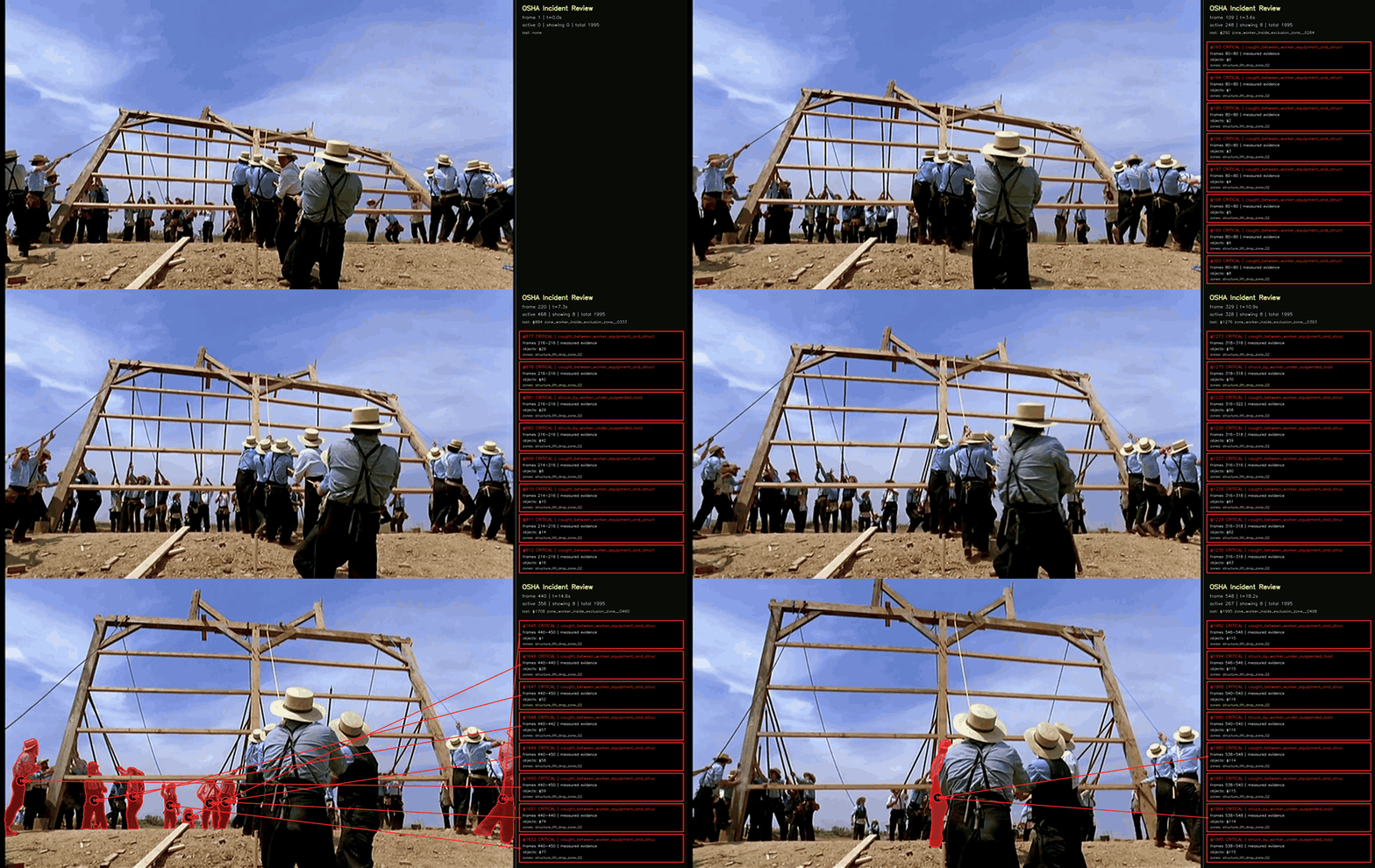
What the system flags
Worker positioning under or near suspended loads, restricted-zone entry during lifting operations, and repeat patterns around picks and hoists.
What you receive
Marked clips with context, finding rows with evidence links, and recommendations that align with a lift plan and zone-control workflow.
How teams use it
Re-establish exclusion zones, validate barricades and spotters, and ensure radio-call or hand-signal workflows are followed.
Highlights
- Lift-zone intrusion evidence clips
- Findings tied to camera/time context
- Corrective-action recommendations for zone control
- Works from existing cameras and uploads
Marked clips
Processed examples using existing evidence assets. Each clip is designed to be reviewable and actionable for supervisors.
A clip showing worker exposure to suspended-load and potential crush-risk conditions.
Open marked clip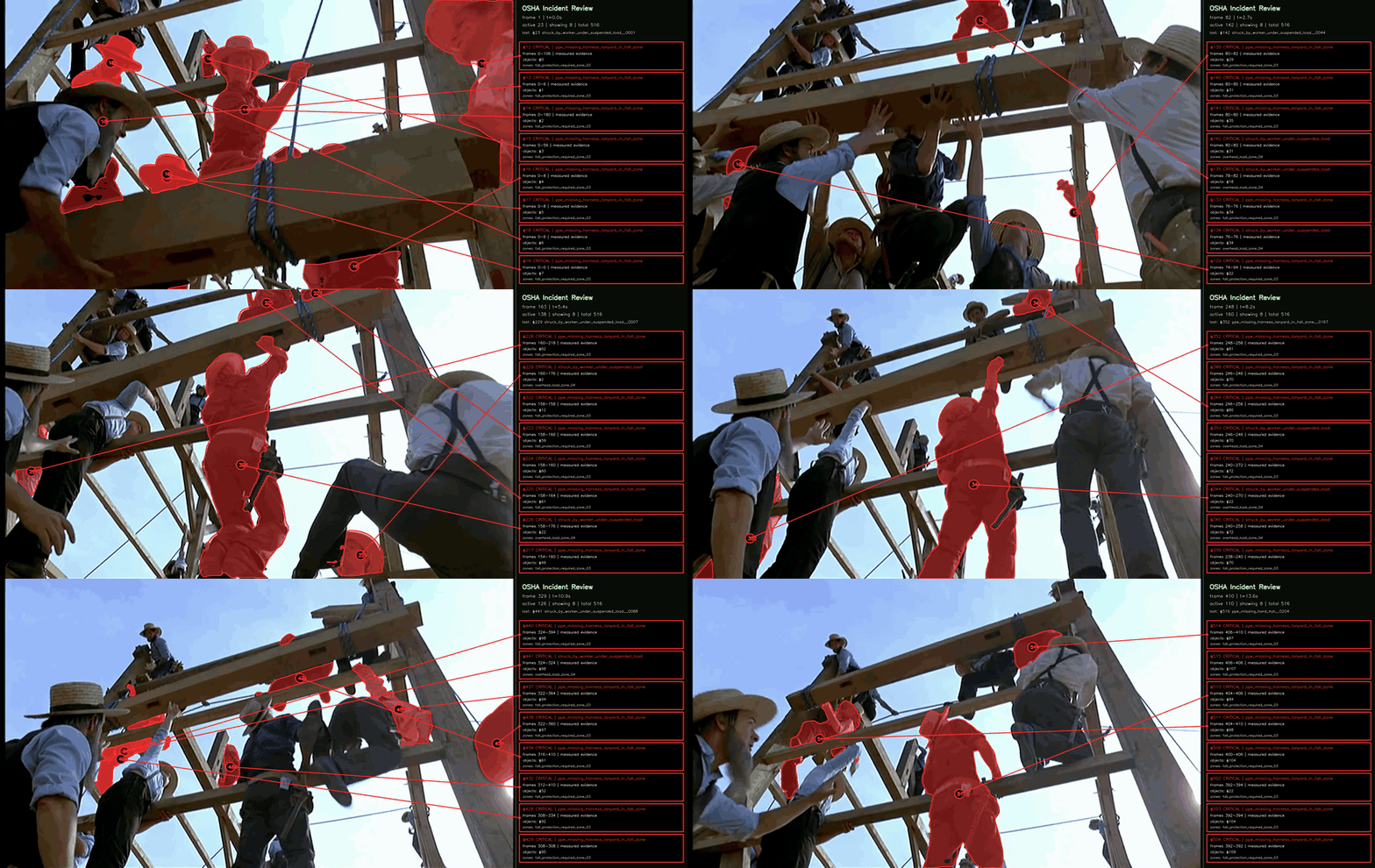
One incident can include suspended-load exposure plus zone-control and proximity issues.
Open marked clipEvidence cards
Evidence cards make incidents easy to route, correct, and revisit during follow-up.
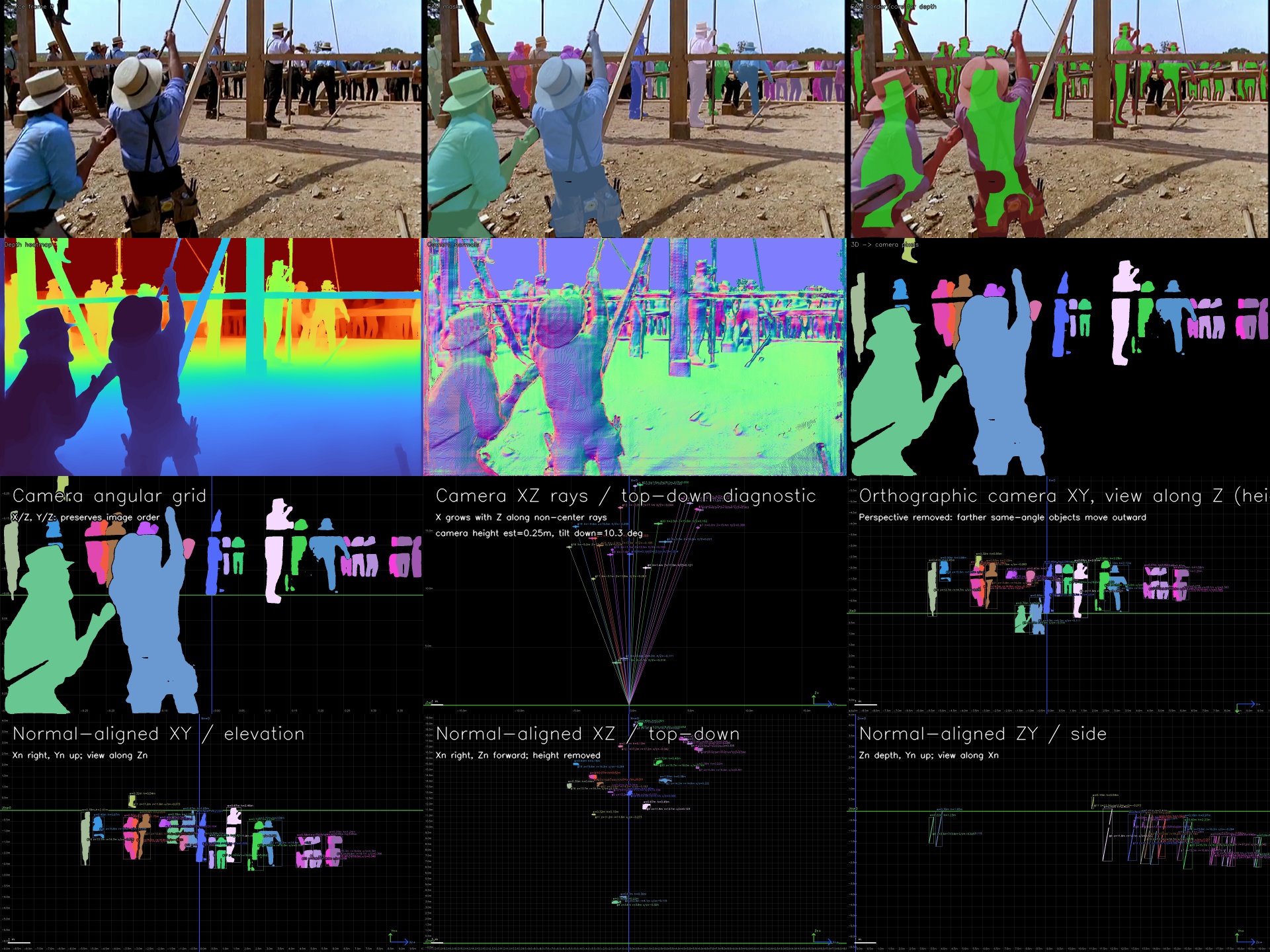
FAQ
Does this replace a lift plan or lift director?
No. It provides additional visibility and repeatable evidence that can be reviewed during daily planning and after-action review.