Use case: proximity
Worker and equipment proximity monitoring
Struck-by incidents often start as routine proximity. OSHA Compliance AI helps teams detect repeated patterns: workers in equipment paths, missing separation, and walkway discipline issues that can be corrected quickly.
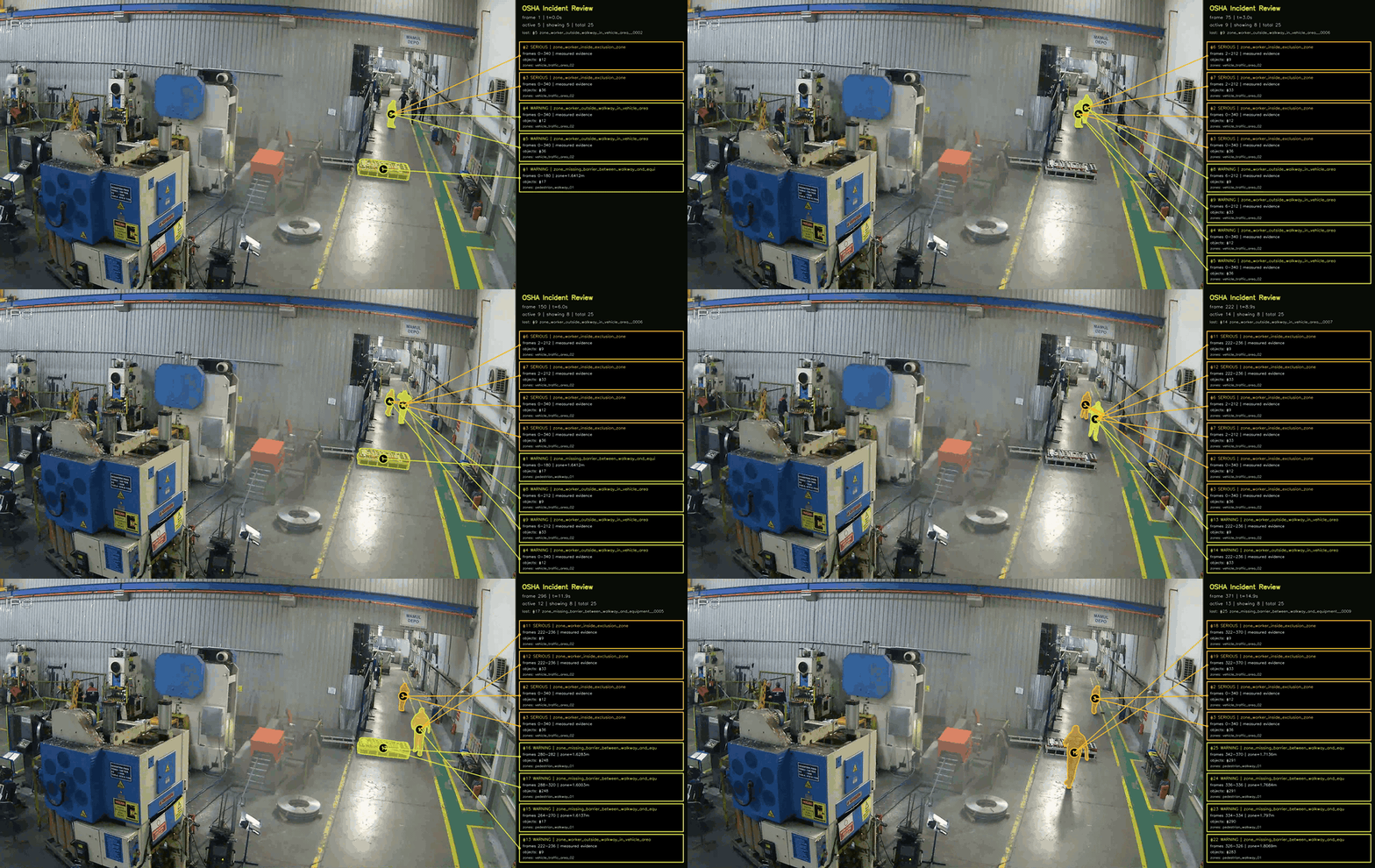
What the system flags
Pedestrian proximity to equipment routes, walkway departures, and cases where separation or barriers appear insufficient for the traffic pattern.
What you receive
Evidence clips and findings that are easy to route to foremen and subcontractor leads, plus recommendations for concrete corrections.
How teams use it
Improve traffic control, adjust pedestrian routes, add physical separation, and validate that controls remain in place across shifts.
Highlights
- Pedestrian/equipment proximity evidence clips
- Walkway and separation-control review items
- Action-oriented recommendations for supervisors
- Fits daily report and follow-up workflows
Marked clips
Processed examples using existing evidence assets. Each clip is designed to be reviewable and actionable for supervisors.
A processed clip where pedestrian route discipline and separation controls can be reviewed quickly.
Open marked clip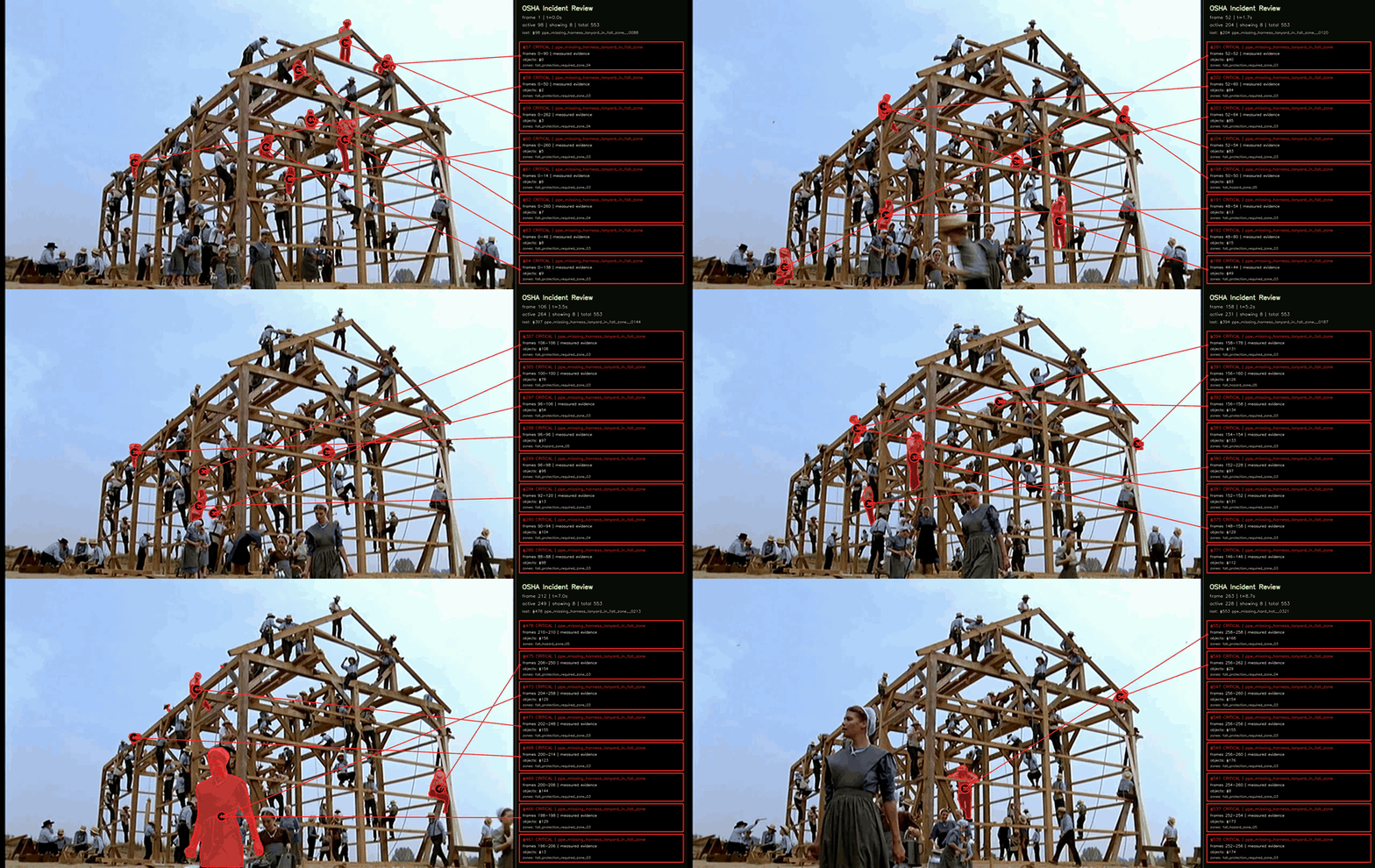
A dense scene where multiple risks appear together, including proximity, overhead exposure, and zone control.
Open marked clipEvidence cards
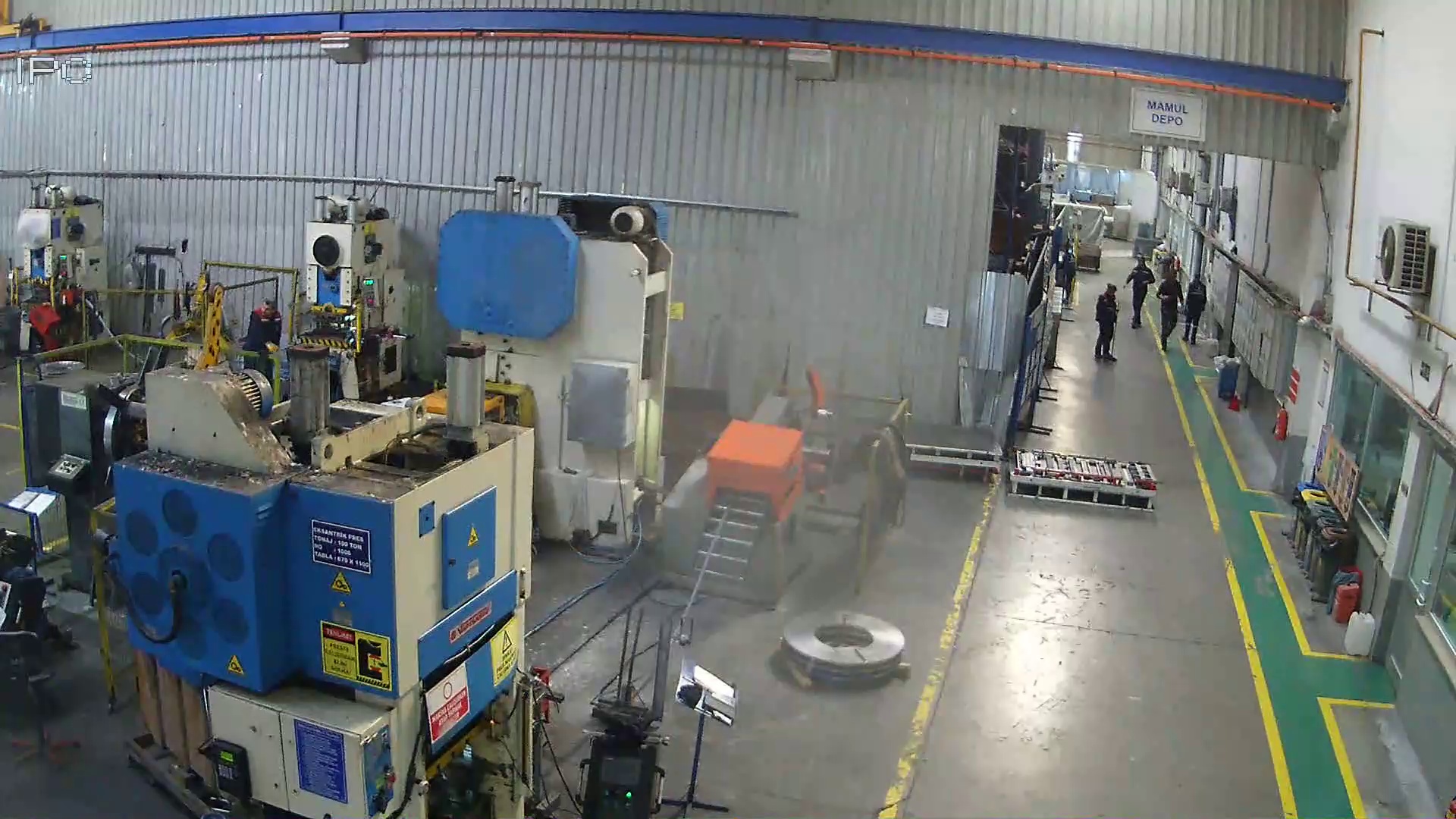
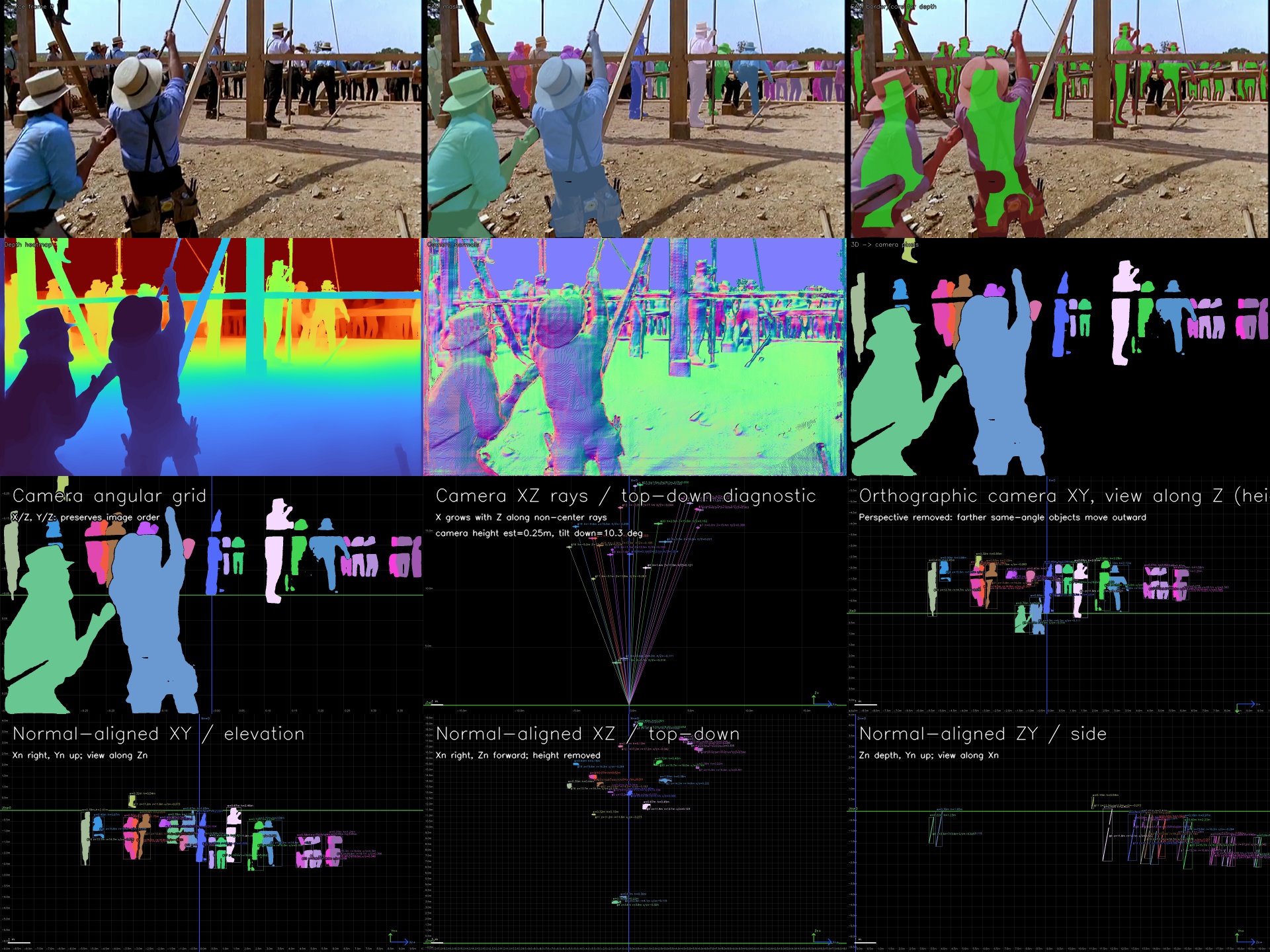
Evidence cards make incidents easy to route, correct, and revisit during follow-up.
FAQ
Do you need camera calibration to measure distances?
Calibration improves measurement quality, but teams can start with basic detection and strengthen results with a few known dimensions and zone maps.